
Do Peanuts Raise Cholesterol How Much to Eat and the Healthiest Way to Enjoy Them
- Aashima Gupta
- Aug 27
- 7 min read

Peanuts often get blamed for weight gain, “heat” in the body, acne, acidity, and high cholesterol. The cholesterol worry is especially common because peanuts are high in fat. But fat in food and cholesterol in blood are not the same thing.
The short answer is simple: plain peanuts do not contain cholesterol and do not automatically raise cholesterol levels. In fact, when eaten in the right amount and in the right form, peanuts can fit well into a heart-friendly diet.
The real issue is quantity, preparation, and what peanuts replace in the diet. A small handful of roasted peanuts is very different from a large bowl of fried, salted peanuts eaten with tea every evening.

Peanuts do not contain cholesterol
Cholesterol is found only in animal-based foods such as meat, eggs, butter, ghee, cheese, and full-fat dairy. Peanuts are a plant food, so they contain zero dietary cholesterol.
That does not mean unlimited peanuts are healthy. Peanuts are calorie-dense because they contain a good amount of fat. But most of this fat is the healthier unsaturated type, mainly monounsaturated and polyunsaturated fats.
These fats are different from the saturated fats found in large amounts in butter, ghee, cream, fatty meats, and many bakery foods. Replacing saturated fat with unsaturated fat can support better LDL cholesterol levels for many people.
LDL is often called “bad cholesterol” because high levels can increase heart risk over time. HDL is often called “good cholesterol” because it helps carry cholesterol away from the arteries. Food choices, body weight, physical activity, sleep, stress, smoking, diabetes, thyroid health, and genetics all affect these numbers.
So the better question is not “Do peanuts raise cholesterol?” The better question is:
Are peanuts replacing unhealthy snacks, or are they being added on top of an already high-calorie diet?
If peanuts replace chips, biscuits, namkeen, fried snacks, or sweets, they may improve the overall quality of the diet. If peanuts are eaten in large amounts along with fried food and sugary tea, they can add excess calories and may indirectly worsen weight and lipid levels.
Why peanuts can be good for health when eaten correctly
Peanuts are affordable, filling, and widely available across India. They are not “junk” just because they are high in fat. Their nutrition profile is much better than many packaged snack foods.
A sensible serving of peanuts provides:
Plant protein
Useful for satiety, especially in vegetarian diets.
Healthy fats
Mostly unsaturated fats that can support heart health when used in place of saturated fats.
Fibre
Helps with fullness and digestion.
Vitamin E and B vitamins
These support general health and energy metabolism.
Magnesium and other minerals
Useful for muscle and nerve function.
Plant compounds
Peanuts contain phytosterols and polyphenols, especially when eaten with the skin.
Peanuts also have a low glycaemic impact when eaten plain. That means they do not spike blood sugar the way sweets, refined flour snacks, and sugary drinks can. For many people, a small peanut serving can be a better evening snack than biscuits or fried mixtures.
Still, peanuts should not be treated like a “free food”. They are nutritious, but they are energy-dense. A few extra handfuls every day can add up quickly.
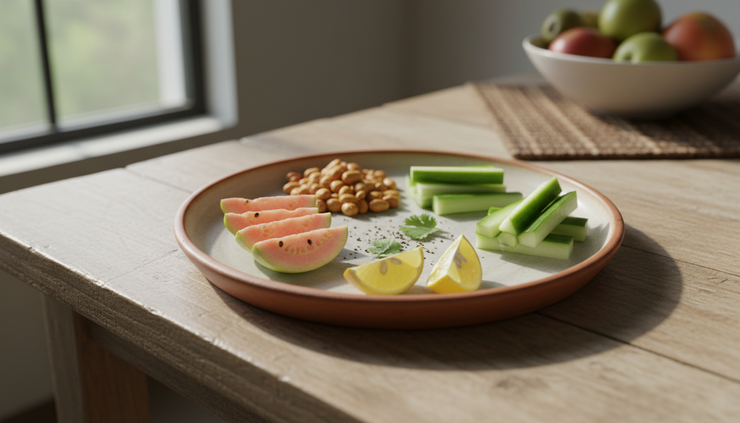
How much peanut should be consumed in a day
For most healthy adults, a good daily portion is about 25 to 30 grams of peanuts. This is roughly:
1 small handful
About 2 tablespoons of peanut kernels
Around 25 to 35 peanuts, depending on size
This amount gives nutrition without adding too many calories. People with higher calorie needs, such as athletes or those doing heavy physical work, may be able to eat more. People trying to lose weight may need to measure the portion more carefully.
Here is a practical guide.
Person or goal | Suggested amount | Practical note |
General healthy adult | 25 to 30 g per day | Best as a snack or part of a meal |
Weight loss goal | 15 to 25 g per day | Measure once instead of eating from a large packet |
High physical activity | 30 to 50 g per day | Adjust based on total diet and calorie needs |
Child above toddler age | Small age-appropriate portion | Avoid whole peanuts in very young children due to choking risk |
High cholesterol | 20 to 30 g per day | Choose plain peanuts and reduce fried snacks, ghee, butter, and bakery foods |
The portion matters because peanuts can be easy to overeat. A handful while cooking, another handful with tea, some peanut chutney with meals, and peanut chikki after dinner can together become a large intake.
If cholesterol, triglycerides, diabetes, fatty liver, or weight are concerns, the safest approach is to treat peanuts as part of the day’s fat and snack allowance, not as an extra item.
The healthiest way to eat peanuts
The best form is simple: plain, roasted or boiled peanuts, preferably unsalted.
Roasting improves flavour and makes peanuts convenient. Boiled peanuts are also a good option, especially when prepared without too much salt. Eating peanuts with the thin red-brown skin is useful because the skin contains fibre and plant compounds.
Good ways to include peanuts:
Add a small handful of roasted peanuts to poha or upma.
Use peanut chutney with idli or dosa, but keep oil and portion controlled.
Eat boiled peanuts with chopped onion, tomato, coriander, lemon, and mild spices.
Pair peanuts with fruit for a filling evening snack.
Add crushed peanuts to vegetable salads for crunch.
Use a small amount of natural peanut butter on wholegrain toast.
Peanut butter can be healthy if the ingredient list is simple. Ideally, it should contain peanuts and maybe a little salt. Many commercial peanut butters contain added sugar, hydrogenated oils, or extra palm oil. These are not the best choice for daily use.
Better choices
Choose these more often:
Dry roasted peanuts
Boiled peanuts
Unsalted peanuts
Peanuts with skin
Homemade peanut chutney with limited oil
Natural peanut butter without added sugar
Choices to limit
Limit these, especially if cholesterol, blood pressure, weight, or diabetes are concerns:
Deep-fried peanuts
Very salty peanuts
Masala peanuts coated in refined flour and fried
Peanut chikki eaten often or in large portions
Sugar-loaded peanut butter
Peanuts mixed with sev, farsan, or fried namkeen
Masala peanuts and peanut chikki are not “bad” if eaten occasionally. The problem starts when they become daily snacks. Fried coating, excess salt, and sugar change the health impact.

When peanuts may not be suitable
Peanuts are healthy for many people, but they are not suitable for everyone.
Peanut allergy
People with peanut allergy must avoid peanuts completely. Peanut allergy can be serious and may cause swelling, breathing difficulty, vomiting, hives, or anaphylaxis. Anyone with a known allergy should also check labels for peanut ingredients and cross-contamination.
Digestive discomfort
Some people feel bloated, acidic, or heavy after eating peanuts. This may happen due to overeating, fried preparation, spices, or individual tolerance. Reducing the portion and choosing boiled or plain roasted peanuts may help.
High triglycerides or fatty liver
Plain peanuts do not directly cause high triglycerides. But excess calories from any source can worsen triglycerides and fatty liver. People with these conditions should keep portions moderate and avoid combining peanuts with sugar, alcohol, fried snacks, and refined carbohydrates.
Kidney stone history
Peanuts contain oxalates. People with a history of calcium oxalate kidney stones may need personalised advice on how often to eat peanuts and in what quantity. Hydration and total diet matter too.
Mouldy or poor-quality peanuts
Peanuts can develop mould if stored in humid conditions. Some moulds may produce aflatoxins, which are harmful over time. This is one reason quality and storage matter.
Avoid peanuts that smell musty, taste bitter, look discoloured, or feel damp. Buy from a reliable source, especially during the monsoon. Store peanuts in an airtight container in a cool, dry place. For longer storage, refrigeration can help.
The link between peanuts and cholesterol is mostly about the whole diet
A person can eat peanuts daily and still have high cholesterol if the rest of the diet is rich in ghee, butter, cream, red meat, fried snacks, bakery items, sweets, and refined carbs.
A person can also avoid peanuts completely and still struggle with cholesterol due to genetics, low activity, smoking, alcohol, thyroid problems, diabetes, or excess body weight.
So peanuts should be judged within the overall eating pattern.
For better cholesterol control, focus on these habits:
Use less ghee, butter, cream, and vanaspati.
Avoid frequent fried snacks and bakery foods.
Eat more dals, beans, vegetables, fruits, and whole grains.
Include nuts and seeds in measured portions.
Choose curd, paneer, and milk based on health needs and total fat intake.
Walk or exercise regularly.
Get lipid levels checked as advised by a doctor.
Peanuts work best when they replace less healthy snacks. They do not work well when they are added to a diet that already has too much fat, sugar, and calories.
Simple ways to control the peanut portion
The easiest way to overeat peanuts is to keep a large packet nearby. They are crunchy, tasty, and small, so the portion can disappear before the brain registers fullness.
Try these practical habits:
Measure one day’s portion in a small katori.
Do not eat straight from a 500 g packet.
Pair peanuts with fruit, salad, or chaas instead of sweet tea and biscuits.
Avoid eating peanuts while watching TV or scrolling on the phone.
Keep salted and fried peanuts for occasional use, not daily snacking.
If using peanut chutney, reduce extra oil in the meal.
A small bowl is better than a large jar. This one habit can make peanuts much easier to manage.
A healthy one-day example with peanuts
Here is a simple way to include peanuts without overdoing it.
Breakfast could be vegetable poha with 1 tablespoon of peanuts. Lunch can include dal, sabzi, roti, curd, and salad. In the evening, have fruit with 15 to 20 g roasted peanuts. Dinner can be lighter, with vegetables, protein, and whole grains.
This pattern keeps peanuts in the diet but avoids making them the main calorie source.
If peanut chutney is part of breakfast, skip another peanut snack later. If you eat peanut chikki, count it as a sweet, not as a plain nut serving.

So, are peanuts bad for health?
Peanuts are not bad for health by default. They are a nutritious plant food with protein, fibre, minerals, and mostly healthy fats. They do not contain cholesterol. In sensible portions, they can be part of a heart-friendly diet.
The healthiest approach is:
Eat 25 to 30 g per day if it fits your diet.
Choose plain roasted or boiled peanuts.
Prefer unsalted peanuts with skin.
Avoid frequent fried, sugary, or heavily salted peanut snacks.
Store peanuts properly and avoid mouldy ones.
Get medical advice if you have allergy, kidney stones, uncontrolled cholesterol, diabetes, fatty liver, or digestive issues.
Food works as a pattern, not as one single item. A small handful of peanuts can be a smart snack. A large bowl of fried masala peanuts every day is a different story.
This article is for general information only and is not a substitute for medical advice. If cholesterol levels are high, use peanuts wisely, but also check the full diet, activity level, and health conditions with a qualified healthcare professional.


Comments